
The guinea pig growth chart is more than a diagram for those who love their furry friends. It’s a guide for pet owners to understand pet guinea pig development. By tracking your pet’s growth, you help keep them healthy and happy.
Regular weigh-ins and size checks are important. They can show early signs of health problems. Since guinea pigs often hide their sickness, knowing their size is key. Your care and attention can greatly improve their health, influenced by breed, gender, diet, and exercise.
Introduction to Guinea Pig Growth and Size
It’s key to understand how guinea pigs grow to keep them healthy. Spotting any growth or size issues early can help a lot. This can give important clues about their health.
The Importance of Monitoring Your Guinea Pig’s Size
Keeping an eye on your guinea pig’s size is crucial. It helps catch health problems early. You should track their weight and size as they grow.
How Guinea Pigs Grow: From Babies to Adults
Guinea pigs, or cavies, go through different cavy growth stages. They start as tiny babies, weighing 2oz to 4oz. As they grow, they can reach up to 3.5lb in males and 2.5lb in females.
These stages are important for their care and diet. Watching and tracking guinea pig size from birth to adulthood is key. It helps manage their health and catch any nutritional or weight-related issues early.
The Essential Guinea Pig Size Chart
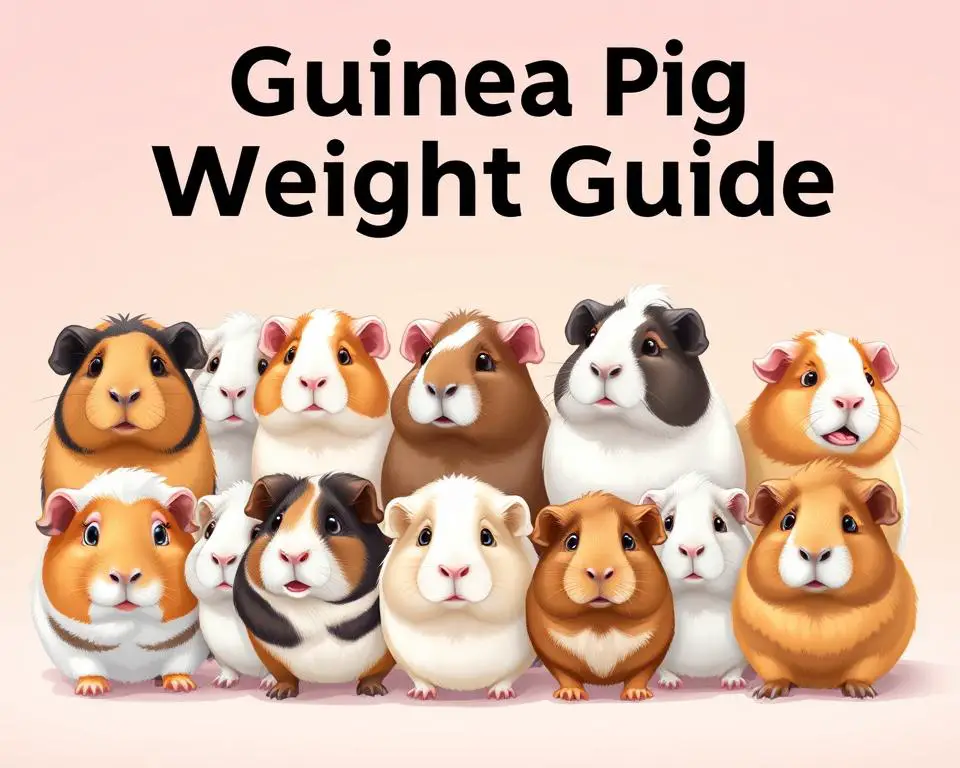
For any dedicated pet owner, knowing the guinea pig weight guide is key for good cavy care. Checking a guinea pig size chart regularly is more than just tracking growth. It’s about keeping your furry friend healthy and happy.
Using a guinea pig size chart helps track growth accurately. It also spots health issues early, like weight changes. Below, you’ll find a chart to compare expected weights for guinea pigs at different life stages. It covers various breeds, which grow and weigh differently.
| Age | Average Weight Range | Notes |
|---|---|---|
| Newborn | 60-100 grams | Weights can vary significantly among breeds |
| 1 Month | 200-400 grams | Start of rapid growth phase |
| 3 Months | 400-800 grams | Should be nearly adult size |
| 6 Months | 600-1200 grams | Weight should stabilize around this age |
| Adult | 800-1200 grams | Depends on breed and individual health |
This table is a general guide, not a strict rule, for cavy care. Normal size variations are okay, but big changes in weight need vet attention.
Regular use of the guinea pig size chart empowers you as a pet owner. Growth tracking is about more than just numbers. It’s about understanding and meeting your guinea pig’s needs at every stage. This proactive approach is crucial for a nurturing environment that boosts well-being and energy.
Factors Influencing Your Guinea Pig’s Growth
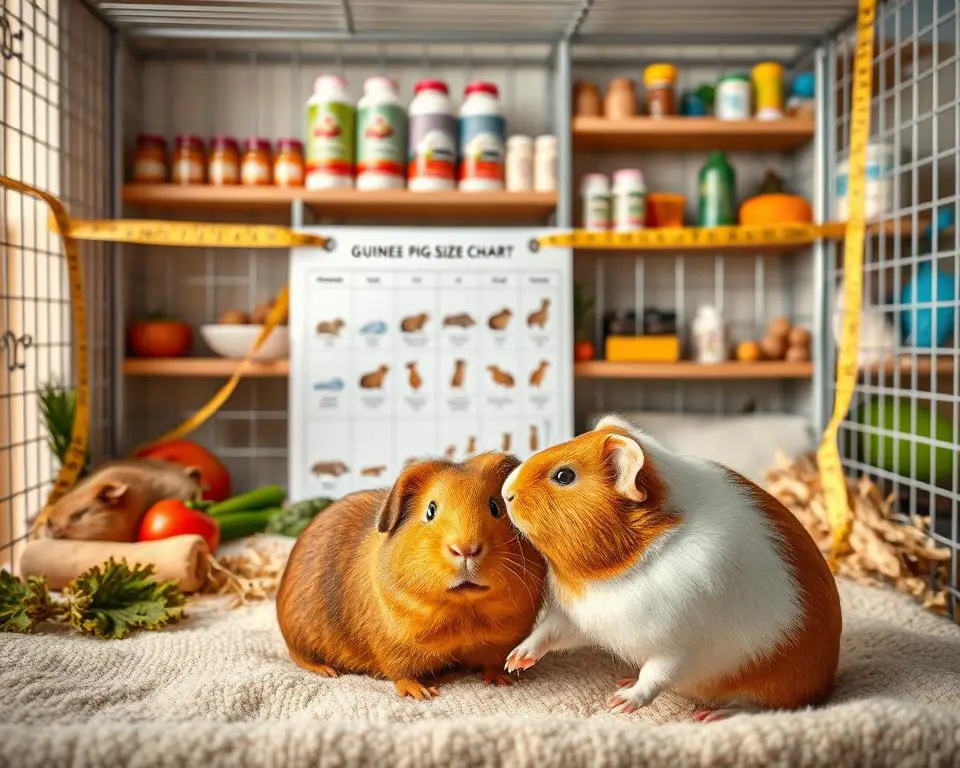
Knowing what affects your guinea pig’s growth is key to their health and happiness. Things like breed, diet, and exercise are important.
The Role of Breed in Guinea Pig Size
Breed-specific growth is a big factor in your pet’s size. For example, American guinea pigs are bigger than Texel breeds. It’s vital to know your breed’s needs and growth patterns.
Diet and Nutrition: The Building Blocks of Growth
A balanced diet is crucial for your guinea pig’s health. They need vitamin C, which they can’t make themselves. A diet rich in hay also helps their digestion and overall health.
The Impact of Exercise on Health and Size
Exercise is more than just for weight control. It’s also key for growth and health. Regular activity helps prevent obesity and supports strong growth.
| Breed | Expected Adult Weight | Recommended Diet | Exercise Needs |
|---|---|---|---|
| American | 900g-1200g | High-fiber, low-calorie, Vitamin C enriched | Daily floor time |
| Texel | 800g-1000g | Rich in hay, greens, limited pellets | Regular, gentle handling and play |
| Rex | 700g-900g | Balanced pellets, fresh veggies, Vitamin C | Moderate exercise, interactive toys |
| Peruvian | 1000g-1200g | High in fresh produce, hay-based | Structured exercise routines |
Decoding the Signs of a Healthy Weight
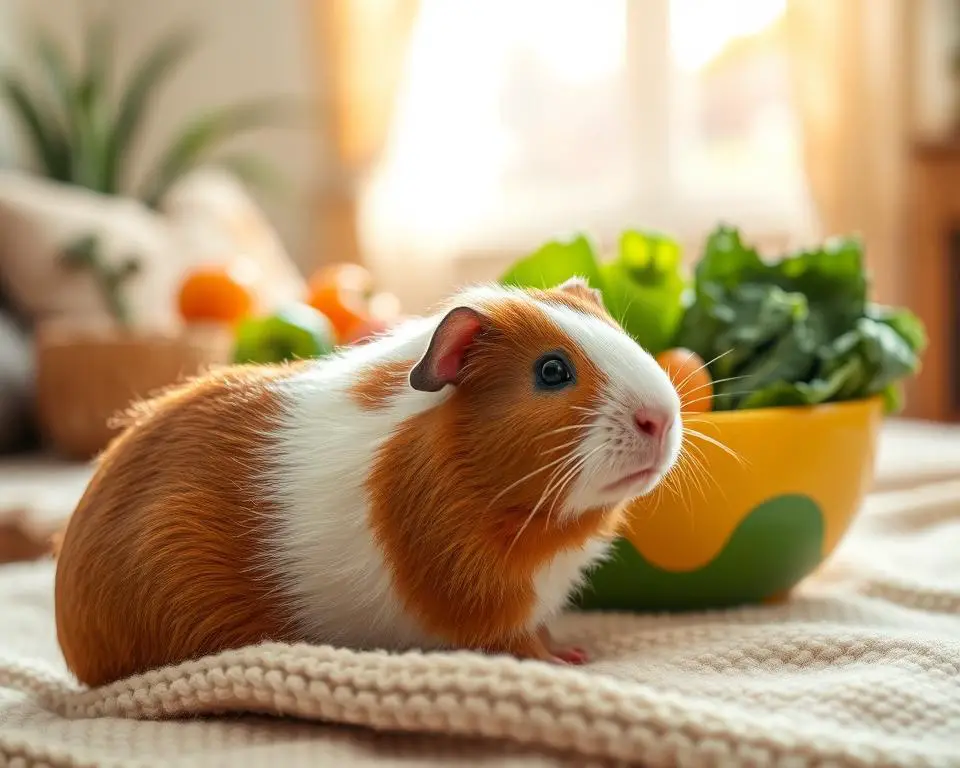
Keeping your guinea pig at a healthy weight is vital for their health. It’s important to know about weight fluctuations and signs of guinea pig illness. This knowledge helps ensure your pet lives a long, happy life.
Weight fluctuations are common in guinea pigs. They can be due to diet, exercise, or the season. But, if your guinea pig loses or gains more than 50 grams, it might be a sign of health problems.
Understanding Weight Fluctuations
- Normal daily weight changes are generally minor and should not be a cause for concern.
- Seasonal changes can affect appetite and activity, leading to slight weight gains or losses.
- Monitoring weight regularly can help you notice patterns and identify what’s normal for your pet.
When to Be Concerned: Identifying Unhealthy Weight Changes
It’s important to watch for sudden or big changes in weight. A big drop or gain in weight can be a sign of health issues. Look out for these signs of guinea pig illness:
- Lethargy or decreased activity level accompanying the weight change.
- Changes in eating habits, whether an increase or decrease in food consumption.
- Visible changes in body shape, such as a noticeable slimming or bloating.
By watching for these signs and seeing a vet, you can greatly improve your guinea pig’s health and happiness.
Nutritional Tips for Supporting Your Guinea Pig’s Growth
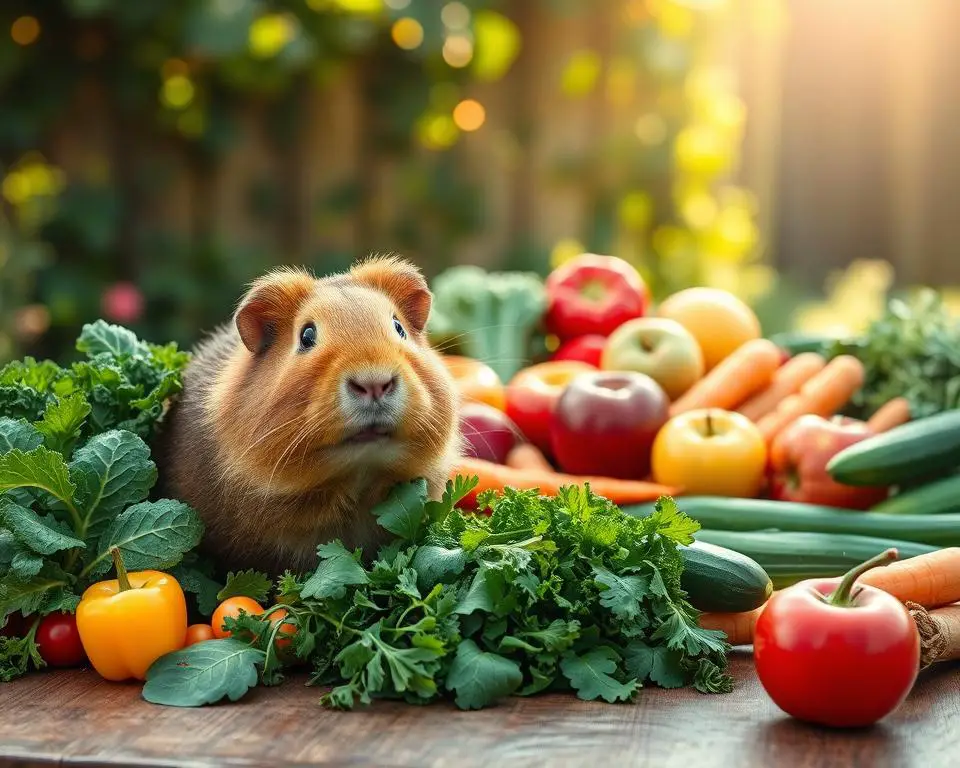
Proper nutritional support is key for guinea pigs’ health and growth. A balanced guinea pig diet with lots of fiber and important nutrients is vital. This includes vitamin C for guinea pigs. Here are some tips and guidelines to help your guinea pig grow strong and stay healthy.
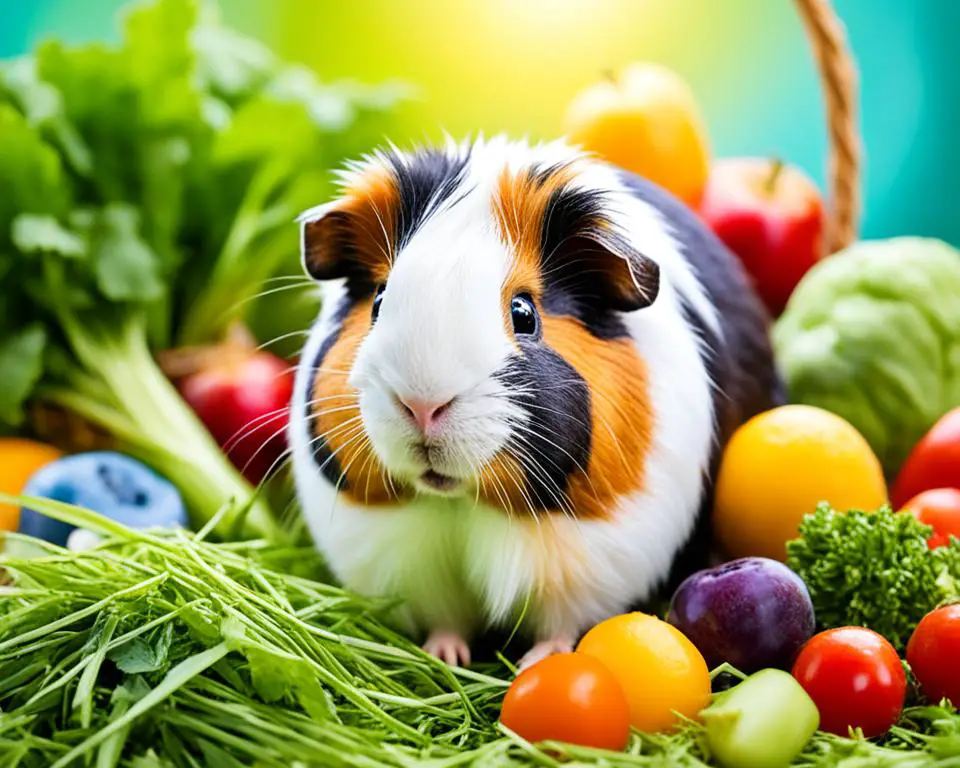
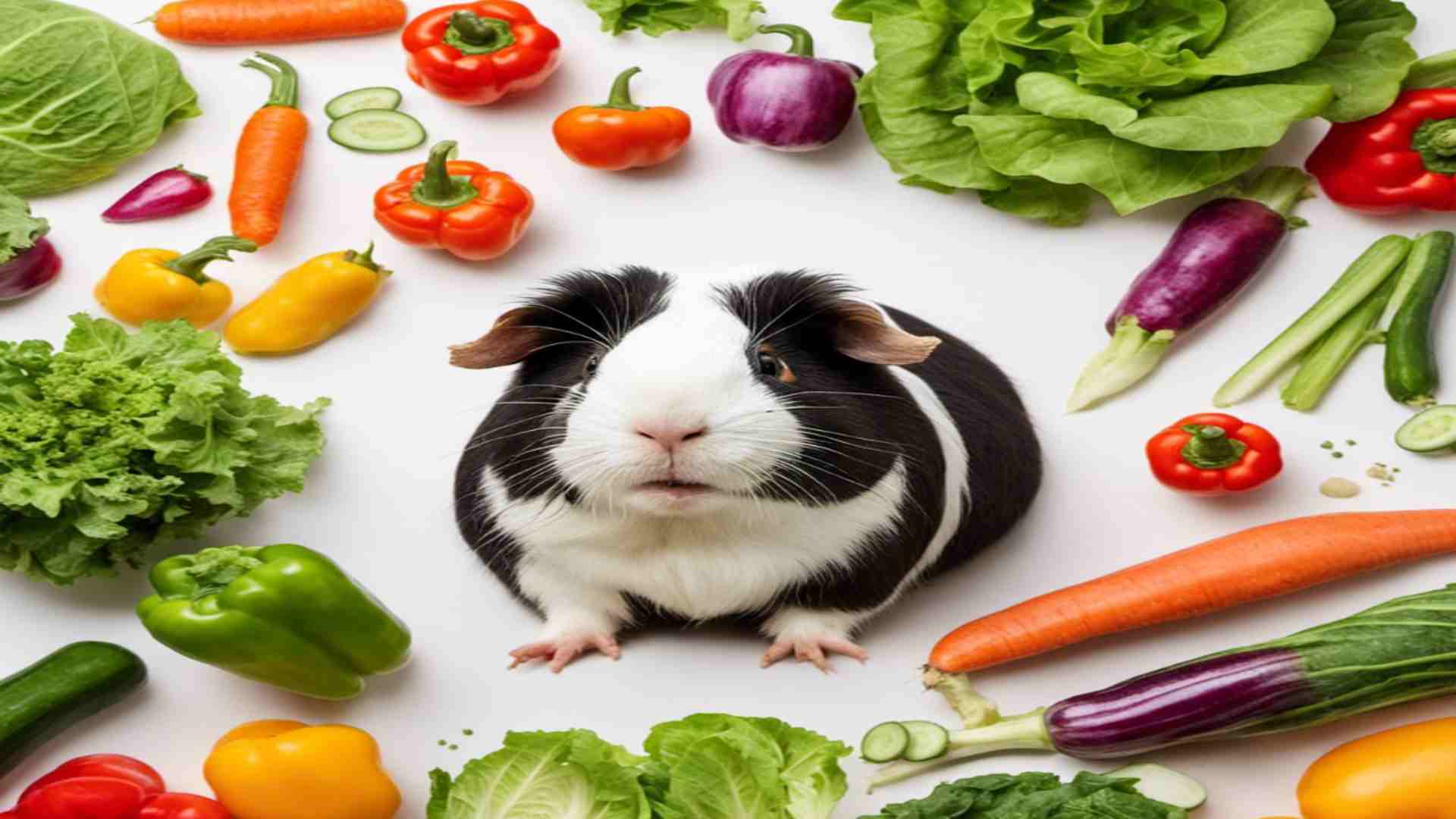
Knowing what your guinea pig needs is the first step in caring for them. Vitamin C is crucial because guinea pigs can’t make it themselves. Adding fresh leafy greens and bell peppers can help a lot. But, watch how much and what kind of veggies you give them to prevent stomach problems.
Nutritional support is not just about food. It’s also about how they eat. Feeding them at the same times and in the right amounts helps avoid obesity. Here’s a simple guide to keep their diet balanced:
- Fresh hay should be about 70% of their diet, helping their digestion.
- Give them commercial guinea pig pellets with vitamin C as the package says—usually a tablespoon a day.
- Make sure they always have fresh water, changed every day, for their health.
Also, the table below shows good foods for guinea pigs. It focuses on foods high in vitamin C, which is key for their growth and health.
| Food Item | Benefits | Recommended Portion |
|---|---|---|
| Broccoli | High in vitamin C and fiber | 1-2 small florets weekly |
| Carrots | Rich in beta-carotene | A few small slices weekly |
| Spinach | Excellent source of vitamins A, C, and K | Small leaf, 1-2 times a week |
| Timothy hay | Essential for dental and digestive health | Unlimited |
Creating the Ideal Environment for Optimal Growth
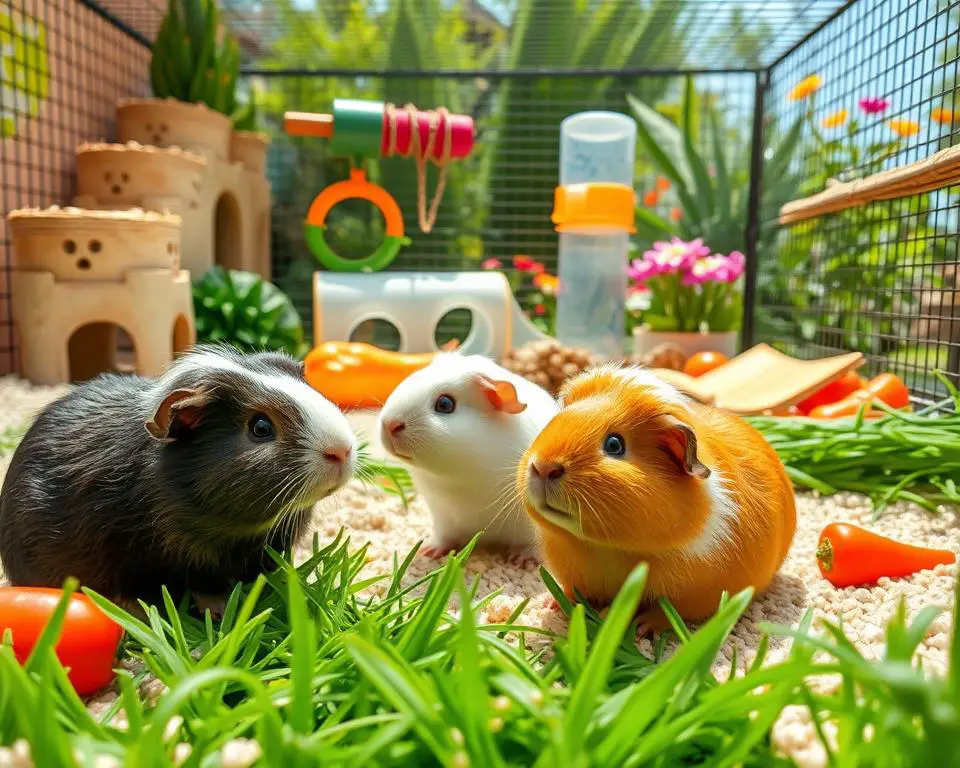
To help guinea pigs grow well, we need to think about their living and play areas. A calm and safe space is key for their health and happiness. This is important for their growth and development.
The Role of Cage Size and Exercise Space
It’s important to meet the cage needs of guinea pigs. A big cage lets them move around and rest. This helps prevent stress and obesity.
| Cage Type | Minimum Size | Recommended for Number of Guinea Pigs |
|---|---|---|
| Starter Cage | 7.5 square feet | 1-2 guinea pigs |
| Deluxe Cage | 10.5 square feet | 2-3 guinea pigs |
| Expansion Cage | 13 square feet | 3 or more guinea pigs |
Stress Reduction and Its Impact on Growth
A calm space is vital for guinea pigs to grow well. They need a stable temperature, quiet, and no predators. These things help keep them healthy and growing right.
By focusing on their health and happiness, we can have a lively and healthy pet. Keeping an eye on their living space helps meet their needs. This ensures a safe and happy place for them to thrive.
How to Accurately Weigh and Measure Your Guinea Pig
Keeping your guinea pig healthy means regular checks and accurate weights. Weighing them is key to tracking their health and growth. It helps you see if they’re doing well.
Choosing the Right Tools for Weighing
Choosing the right scales is important for accurate weights. Digital scales are best because they’re precise and easy to use. Make sure the scale can spot small weight changes, which is important for your guinea pig’s health.
| Type of Scale | Pros | Cons |
|---|---|---|
| Digital Scale | High accuracy, easy to read | More expensive than analog |
| Analog Scale | Cost-effective, no batteries needed | Less precise, harder to read small changes |
Creating a Routine for Regular Check-Ups
Being consistent is crucial for your guinea pig’s health checks. Weigh them regularly, like every week. Keep a record of each weight to spot any health problems early.
Sticking to this routine keeps your guinea pig healthy. It also gives your vet important information during visits.
Special Considerations: Pregnant and Baby Guinea Pigs
Caring for pregnant guinea pigs and their babies needs special attention. They need a diet rich in fiber, vitamins, and leafy greens. This diet is key for the mother’s health and the baby’s growth.
Monitoring the weight gain of a pregnant guinea pig is vital. Regular weigh-ins help track her health and the babies’ growth. This way, you can meet their needs as they grow.
| Age of Baby Guinea Pigs | Expected Weight | Key Development Milestones |
|---|---|---|
| Birth | 2 ounces | Immediate mobility, begins to nurse |
| 2 weeks | 4 ounces | Introduction to solid food |
| 4 weeks | 6-8 ounces | Fur begins to thicken, weaning completes |
| 8 weeks | 12 ounces | Fully weaned, begins more complex behaviors |
| 1 year | 1.5-2.5 pounds | Reaches adult size; development slows |
Keeping a calm environment is crucial for pregnant and baby guinea pigs. Gentle handling helps them get used to humans. Regular vet visits and quick action for any health issues ensure they grow up healthy.
Conclusion
As pet owners care for guinea pigs, understanding their growth is key. The guinea pig size chart is a helpful tool. It helps in managing their health and tracking their growth.
Regular checks are important. They help spot any health issues early. This way, you can act fast to keep your pet healthy.
Guinea pigs need the right food, space, and care. A mix of hay, veggies, and room to move is essential. With the right care, they can live a happy and healthy life.
Knowing how to care for your guinea pig is crucial. With the right tools, like the size chart, you can tailor care to their needs. This helps them reach their full potential and brings joy to your life.